Artificial Grass Tennis: The Ultimate Guide to Choosing a Synthetic Court
Artificial grass tennis has moved from novelty to mainstream in clubs, schools, and private estates. As an expert in sports surfaces, I’ve helped numerous organisations select surfaces that deliver reliable bounce, year-round usability, and manageable maintenance. This guide outlines how to choose a synthetic court that suits your budget, climate, and level of play, while addressing installation, upkeep, and longevity. By the end, you’ll understand the trade-offs of different fibre constructions, fill regimes, and maintenance programmes, and you’ll be equipped to commission a high-quality artificial grass tennis court.
Surface Types and Playing Characteristics
Artificial grass tennis surfaces come in several fibre constructions and fill regimes, each shaping bounce, speed, and durability. The main options are:
- Sand-filled systems: silica sand provides stability to the fibres, increasing weight and reducing movement. They typically offer a firmer, more predictable bounce and can resemble traditional court speed when wetted lightly.
- Sand-dressed surfaces: with minimal sand, these surfaces rely on the fibre itself and backing to determine speed and urethane coatings to influence ball response.
- Fibre and pile height: longer piles generally slow the ball and enhance softness, while shorter piles yield faster play. Density and tuft pattern also influence how the ball grips and rebounds.
When selecting an artificial grass tennis surface, consider climate and usage. In wetter climates, a surface with robust drainage and a well-engineered underlay reduces puddling and allows for quicker play after rain. For a residential court, slight trade-offs in speed may be acceptable in favour of lower maintenance, whereas clubs often prioritise consistent bounce across seasons and high utilisation.
Artificial Grass Tennis FAQ
Welcome to the Artificial Grass Tennis FAQ. Here you’ll find common questions about artificial grass tennis surfaces, from performance and maintenance to choosing the right setup for your court.
What is artificial grass tennis?
Artificial grass tennis refers to synthetic turf surfaces designed specifically for playing tennis. It uses nylon or polyethylene fibers laid in a tufted mat, offering a consistent, grass-like feel with a short pile height. Beneath the surface, a drainage layer and a solid sub-base provide stability and quick water drainage, making play possible in various conditions.
How does artificial grass tennis perform compared to natural grass or hard courts?
Performance depends on the surface design. Artificial grass tennis aims for predictable bounce and uniform speed. The speed, bounce, and ball grip can be adjusted with fiber type, pile height, and infill. Modern artificial grass surfaces can mimic the feel of hard courts or grassier surfaces, but outcomes vary by product and installation.
What are the main benefits of artificial grass tennis?
- Low maintenance (no mowing, watering, or mowing-related wear)
- Excellent drainage for quick drying
- More consistent bounce and footing
- Extended playing season in diverse climates
- Versatility for indoor and outdoor setups
- Generally longer usable life with proper care
How long does an artificial grass tennis court last?
A well-installed artificial grass tennis court typically lasts about 8–15 years, depending on usage, foot traffic, infill levels, UV exposure, and maintenance. High-traffic courts and poor maintenance can shorten the lifespan, while quality materials and regular upkeep extend it.
How much does it cost to install artificial grass tennis?
Costs vary widely by location, court size, sub-base requirements, drainage, and add-ons (fencing, lighting, etc.). As a rough guide, full court installations can range from tens of thousands to well over a hundred thousand dollars USD. Site conditions, chosen materials, and local labour rates significantly influence the final price. Always get multiple quotes and ask for a detailed breakdown.
What maintenance does an artificial grass tennis court require?
- Regular brushing to keep fibers upright and prevent matting
- Periodic infill top-ups to maintain bounce and drainage
- Debris removal (leaves, dirt, seeds)
- Occasional weed control and seam checks
- Drainage checks after heavy rain
- Avoid harsh chemicals or high-pressure washing unless advised by the manufacturer
How do I clean and maintain playability on an artificial grass tennis court?
Sweep or brush the surface weekly, remove leaves, and rinse with water for dusty days. For stains, use a mild detergent and a soft brush, then rinse. Avoid aggressive power washing or metal tools that can damage fibers. Rebalance infill as needed to keep playability consistent.
Can you play professional tennis on artificial grass tennis courts?
You can train and host club-level or exhibition play on artificial grass tennis surfaces, and some facilities cater to high-performance training. However, most professional tour events use natural grass, clay, or hard courts. Artificial grass variants are commonly used for practice, coaching, and leisure at clubs and academies.
Is artificial grass tennis suitable for indoor or outdoor setups?
Yes. Artificial grass tennis courts work well both indoors and outdoors. Indoor installation offers climate control and year-round play, while outdoor setups benefit from natural drainage and sunlight. In either case, proper installation and ongoing maintenance are important for optimum performance.
How should I choose the right artificial grass for tennis?
- Fiber type: monofilament for durability and ball bounce consistency
- Pile height and density: shorter piles for tennis with faster play; taller piles for a softer feel
- Infill: silica sand and/or crumb rubber to support fibers and affect bounce
- Drainage and sub-base quality: essential for performance and longevity
- UV resistance and warranty: protect against fading and wear
- Budget and climate: match materials to your climate and usage
- Installation by a qualified installer: ensures seams, levels, and drainage are correct
What should I know about infill and installation for artificial grass tennis?
Infill supports fiber stand, bounce, and drainage. Common options include silica sand and crumb rubber blends. The right depth and distribution are crucial for performance and safety. For installation, a professional team typically handles site prep, base drainage, turf laying, seam stitching, and infill application to ensure a durable, even surface.
Are there environmental considerations with artificial grass tennis?
Yes. Benefits include reduced water use and low maintenance emissions. Consider the life cycle of materials, recycling options at end of life, and potential microplastic concerns from infill. Look for recyclable materials, proper disposal options, and products with low environmental impact and reputable warranties.
Maintenance and Upkeep
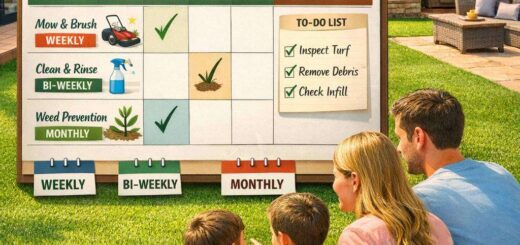
Tennis court maintenance schedules are critical to preserve performance and safety. A well-run regime for both artificial grass tennis and tennis grass court maintenance will typically include:
- Regular brushing to lift fibres, redistribute infill, and keep the playing surface even.
- Debris removal and edge maintenance to prevent damage to the underlay or edging.
- Infill management, including periodic top-ups for sand-filled surfaces to maintain consistent playback characteristics.
- Drainage checks after heavy rain and seasonal inspections to clear gullies and outlets.
- Periodic weed and algae control along joints and edges to prevent surface staining and deterioration.
A well-planned maintenance programme reduces the risk of unsightly wear and extends the life of the surface. For many facilities, a professional service provider will perform periodic line marking refreshes and deeper cleaning, which aligns with both tennis court maintenance and tennis court resurfacing cycles.
For homes and clubs alike, it’s worth noting: artificial grass tennis requires different upkeep than a natural court. Many organisations label the routine tasks under “tennis grass court maintenance” to reflect the specific needs of synthetic turf systems, from brushing frequency to infill monitoring.
Installation, Base and Drainage
The longevity and performance of any artificial grass tennis surface rely on a sound installation. A typical project includes:
- Geotechnical and drainage assessment to ensure efficient water movement away from the court.
- Excavation and construction of a stable sub-base, usually compacted aggregate with a drainage layer.
- A robust underlay or shock pad to provide consistent ball bounce and reduce joint impact for players.
- Laying the artificial grass tennis surface with careful jointing, fibre alignment, and seam sealing.
- Infill application (where appropriate) and line painting for official court boundaries.
Choosing the right approach is essential for both performance and resilience. Always opt for a credible contractor with proven experience in tennis court installation and a clear plan for weather-related curing times and workmanship guarantees.
Repairs, Resurfacing and Longevity
Over time, even the best synthetic surfaces require attention. Common issues fall into two categories:
- Tennis court repairs: seam lifts, abrasive wear in high-traffic zones, and minor backing or infill shifts. Prompt repairs minimise downtime and prevent more extensive damage.
- Tennis court resurfacing: depending on usage and the environment, resurfacing is typically considered every 8–15 years. This may involve replacing the turf, refreshing the underlay, or applying a new top coat to restore bounce and safety.
A proactive maintenance approach, including regular inspections after winter months and following heavy usage periods, helps spread costs and keeps the surface performing optimally. When repairs are needed, engaging specialists who understand artificial grass tennis systems is essential to avoid compromising playability.
For facilities considering artificial grass tennis, modern synthetic courts offer dependable play, strong traction, and reduced maintenance. They provide consistent bounces and year‑round usability, even under heavy use and variable weather. With proper drainage, reliability. artificialgrassmaintenance.co.uk/macadam-hard-tennis-courts Explore maintenance tips, installation considerations, and performance benefits for courts of this type. The linked resource offers practical guidance, durability data, and real‑world case studies to inform design choices for clubs considering upgrades.
Choosing a Supplier and Budgeting
When evaluating potential providers for an artificial grass tennis project, consider:
- Surface specifications: fibre type, pile height, density, and fill regime that best align with your desired playing characteristics.
- Warranties and performance data: look for durable backing, UV stability, and long-term guarantees on colourfastness and infill retention.
- Past projects and references: request site visits or case studies to verify workmanship and long-term performance.
- Aftercare packages: routine maintenance, grooming, and infill replacement plans help sustain performance.
- Compliance with industry standards and any local environmental requirements.
Budgeting should factor in installation, base preparation, underlay, line marking, and an appropriate maintenance plan. A higher initial outlay for a high-quality surface might reduce lifetime costs through lower maintenance demands and longer intervals between resurfacing.
Practical Checklist Before You Buy
- Assess climate and climate-related drainage requirements for your site.
- Decide between sand-filled and sand-dressed options based on desired speed and maintenance willingness.
- Confirm sub-base design, drainage capacity, and sub-surface preparation with the installer.
- Plan a maintenance regime aligned with the surface type, including recommended frequencies for brushing and infill checks.
- Ensure line marking and accessibility for ongoing tennis court installation and refurbishment is feasible.
- Request a detailed quote that separates installation, surface, and ongoing maintenance costs, plus a clear resurfacing schedule.
If you’re weighing options for an artificial grass tennis court, this guide should equip you to compare surfaces critically, understand maintenance implications, and select a solution that delivers consistent performance for years to come. Your choice will influence not just the feel of the ball but the level of time you allocate to tennis court maintenance, repairs, and overall club operations. artificial grass tennis offers a compelling blend of playability and practicality when approached with a clear plan and a trusted installation partner.